
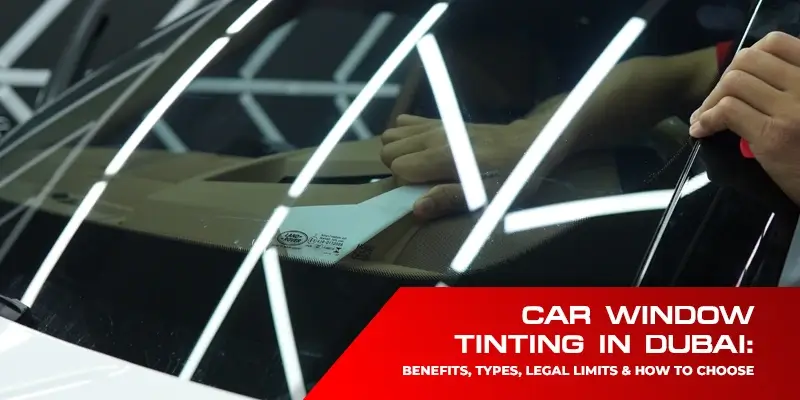
Car window tinting is more than a styling upgrade in Dubai. With intense sunlight, high temperatures, and prolonged UV exposure, the right window film can reduce cabin heat, improve comfort, protect the interior, reduce glare, and provide additional privacy.
However, choosing the right tint is not simply about selecting the darkest shade. Different films offer different levels of heat rejection, UV protection, visibility, durability, and appearance. Understanding the available options and UAE regulations can help you make the right choice.
Why Car Window Tinting Matters in Dubai
Dubai's hot climate can make a parked vehicle extremely uncomfortable. Direct sunlight can heat the seats, dashboard, steering wheel, and other interior surfaces while increasing the cooling load on the AC.
Quality car window tinting can help provide:
- Reduced cabin heat
- UV protection
- Improved passenger comfort
- Reduced glare
- Increased privacy
- Protection for interior materials
- Reduced solar load on the AC
- Enhanced vehicle appearance
The effectiveness depends on the quality and technology of the film used.
What Is Car Window Tinting?
Car window tinting involves applying a specially designed film to the inside surface of vehicle glass. Depending on the technology, the film can control visible light, infrared energy, and ultraviolet radiation entering the cabin.
Common automotive films include dyed, metallic, carbon, and ceramic options. The ideal film should balance heat rejection, visibility, privacy, durability, appearance, and legal compliance.
Professional installation is equally important. Poorly installed film can develop bubbles, wrinkles, peeling, discoloration, or uneven edges.
Common Types of Car Tint
Dyed Window Tint
Dyed tint is one of the more affordable options. It reduces visible light, improves privacy, and can minimize glare. However, lower-quality dyed films may fade or lose their appearance after prolonged exposure to Dubai's sunlight.
It can be suitable for drivers mainly looking for an economical privacy and appearance upgrade.
Metallic Tint
Metallic films contain tiny metallic particles that can reflect solar energy and provide good heat rejection and durability.
However, they may interfere with electronic signals such as GPS, mobile communication, or radio reception. This makes film compatibility particularly important for modern vehicles.
Carbon Tint
Carbon films offer a darker appearance and generally provide better heat rejection than basic dyed films. They are designed to resist fading and provide a premium look without the reflective appearance of some metallic films.
Carbon tint is a practical middle-ground option for drivers seeking performance, appearance, and value.
Ceramic Tint
Ceramic tint is an advanced window-film technology that uses ceramic particles to provide heat and UV protection while maintaining good optical clarity.
A major advantage is its ability to provide strong infrared heat rejection without requiring an extremely dark appearance. Premium ceramic films can also reduce glare and help protect interior materials from prolonged sun exposure.
For motorists who regularly drive in Dubai's intense heat, ceramic tint can be an excellent premium option.
What Is a 3M Car Tint?
3M car tint refers to automotive window films produced by 3M, with different product ranges designed for varying performance requirements.
Depending on the specific film, 3M tint can provide UV protection, glare reduction, privacy, and solar heat rejection. When selecting 3M car tint, consider the film's technical specifications rather than focusing only on darkness.
Key Benefits of Professional Car Tinting
Reduces Cabin Heat
Quality solar-control film can reduce the amount of solar energy entering the vehicle, helping maintain a more comfortable cabin temperature. This can also reduce the cooling load placed on the AC system.
Blocks UV Rays
Automotive window films can significantly reduce UV transmission. This helps protect occupants and can slow the fading and deterioration of leather, fabric, plastics, and other interior materials.
Reduces Glare
Sunlight and reflections from roads, buildings, and other vehicles can make driving uncomfortable. The right tint can reduce glare while maintaining suitable visibility.
Improves Privacy
Darker films can make it more difficult for people outside the vehicle to see inside. This provides additional privacy when driving or parking in busy areas.
Protects the Interior
Continuous sunlight can cause dashboards, seats, door panels, and other materials to fade or deteriorate. Window film can reduce solar exposure and help preserve the vehicle's interior.
What Is a Car Cooling Film?
Car cooling film is designed primarily to reduce solar heat entering the cabin. Unlike films that focus mainly on appearance or privacy, heat-control films are engineered to improve thermal comfort.
Advanced films can reject infrared energy while maintaining relatively high visible-light transmission. Therefore, drivers do not necessarily need an extremely dark film to achieve effective heat reduction.
When comparing cooling films, look at measurable heat-rejection and UV-protection specifications rather than judging quality by darkness alone.
Car Tint and Vehicle AC Performance
Window tint and the vehicle's air-conditioning system can work together. When less solar heat enters through the windows, the AC may have less heat to overcome, helping the cabin become comfortable more quickly after the vehicle has been parked in direct sunlight.
However, tint is not a replacement for AC maintenance. If your vehicle has poor cooling performance, professional AC inspection and repair may still be necessary.
UAE Car Tint Legal Limits
Legal compliance is an important consideration when installing window film in Dubai and across the UAE.
Vehicle owners should always verify the latest applicable regulations before choosing a tint percentage because requirements can vary according to the type and position of the glass and current traffic regulations.
Choosing a film simply because it looks darker can create visibility and compliance concerns. A professional installer can help you select an appropriate option based on your vehicle, requirements, and applicable regulations.
How to Choose the Right Car Tint
Consider Heat Rejection
If your priority is a cooler cabin, choose a film designed specifically for solar and infrared heat rejection.
Check UV Protection
Look for a quality film that provides strong UV protection to help protect occupants and interior surfaces.
Consider Visibility
Extremely dark films can affect visibility, particularly at night. Choose a shade that provides the desired privacy without compromising safe driving visibility.
Evaluate Film Quality
Low-quality films can fade, bubble, peel, or change colour over time. A reputable film can offer better durability and long-term value.
Consider Your Vehicle
Modern vehicles may have sensors, communication systems, antennas, and other electronic equipment. Make sure the selected film is compatible with the vehicle's glass and systems.
Choose Professional Installation
Even the best film can look poor when installed incorrectly. Professional cleaning, cutting, application, and edge finishing help achieve a smooth and durable result.
Signs Your Car Tint Needs Replacement
Window film can deteriorate over time because of heat, sunlight, and general use. Consider inspection or replacement if you notice:
- Purple or discoloured tint
- Visible bubbles
- Peeling edges
- Scratches
- Uneven appearance
- Reduced heat rejection
- Hazy or distorted visibility
- Film separating from the glass
Professional inspection can determine whether the film needs repair or complete replacement.
Professional Car Tinting Process
A professional installation typically involves:
- Glass Inspection: Technicians check for scratches, chips, damage, and contamination.
- Glass Cleaning: The glass is thoroughly cleaned to remove dust, grease, and other contaminants.
- Film Measurement and Cutting: Film is accurately measured and cut for each window.
- Film Application: The film is carefully applied to the inside surface of the glass.
- Edge Finishing: Technicians smooth and position the film for a clean appearance.
- Quality Inspection: The completed installation is checked for bubbles, wrinkles, dust, alignment, and other imperfections.
Proper installation can improve both the appearance and lifespan of the film.
Why Quality Tint Is Important in Dubai
Dubai's intense sunlight and high temperatures can accelerate the deterioration of low-quality window films. Inferior products may fade, bubble, peel, or lose performance sooner.
For drivers who regularly park outdoors or spend long hours on the road, investing in quality automotive film can provide greater long-term comfort and protection.
Professional car tinting in Dubai also ensures that the film is properly selected and installed according to the vehicle's requirements.
Why Choose Professional Car Window Tinting in Dubai?
Professional installation provides more than an attractive appearance. Experienced technicians can help ensure:
- Correct film selection
- Accurate measurements
- Proper glass preparation
- Clean application
- Professional edge finishing
- Consistent appearance
- Better durability
- Reduced risk of bubbling and peeling
- Consideration of applicable regulations
Professional installation also minimizes the risk of damaging glass, seals, trims, or vehicle components.
Frequently Asked Questions
1. What are the main benefits of car window tinting in Dubai?
Car tint can reduce solar heat, UV exposure, glare, and visibility into the cabin while helping protect interior materials from prolonged sunlight.
2. Is ceramic tint better than regular tint?
Ceramic tint generally offers advanced heat and UV protection with good optical clarity. The best choice depends on your budget, driving needs, desired appearance, and the film's specifications.
3. How long does car tint usually last?
Its lifespan depends on film quality, installation, vehicle exposure, and maintenance. Premium films generally offer better durability than low-quality alternatives.
4. Can window tint help keep my car cooler?
Yes. Solar-control films can reduce heat entering through the windows, helping improve cabin comfort and potentially reducing the cooling load on the AC.
5. Is a darker tint always better?
No. Darkness does not necessarily mean better heat rejection. Advanced films can provide strong heat and UV protection without being extremely dark.
6. What is the 3M window tint?
3M window tint refers to automotive films manufactured by 3M. Different ranges offer varying levels of heat rejection, UV protection, glare reduction, privacy, and appearance.
7. Can I tint my car windows myself?
DIY installation is possible, but professional installation is recommended for a cleaner and more durable finish and to reduce the risk of bubbles, wrinkles, and peeling.
8. When should I replace my existing tint?
Consider replacement when you notice bubbling, peeling, fading, discoloration, scratches, hazy visibility, or reduced performance.
Final Words
Car window tinting is a practical upgrade for vehicles operating in Dubai's demanding climate. Beyond appearance and privacy, quality window film can reduce cabin heat, block UV radiation, minimize glare, and help protect the vehicle's interior.
Whether you choose conventional film, carbon tint, ceramic technology, 3M car tint, or high-performance car cooling film, focus on quality, performance, visibility, legal compliance, and professional installation .
Stay Cool with Professional Car Tinting in Dubai
Upgrade your driving experience with professional car tinting in Dubai solutions designed for the region's intense heat and sunlight.
From premium ceramic tint and 3M car tint to high-performance car cooling film, Royal Swiss Auto Xpress can help you choose a suitable solution for your vehicle.
Get your vehicle professionally inspected, select the right film based on your comfort and performance requirements, and enjoy a cooler, more comfortable cabin on every Dubai journey.