
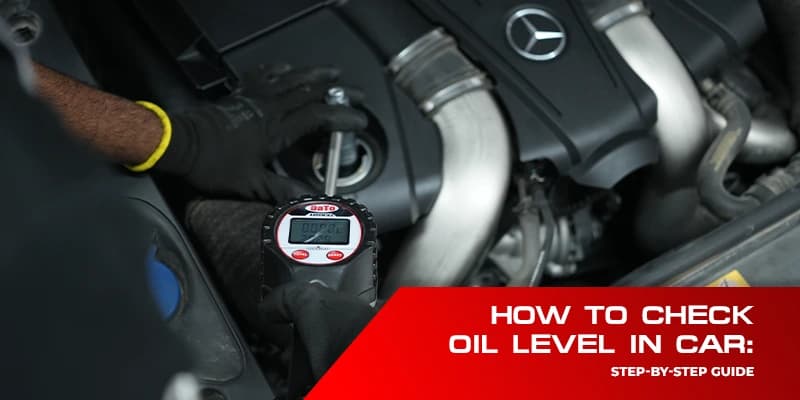
Engine oil is one of the most important fluids in your vehicle. It lubricates moving engine components, reduces friction, helps control operating temperatures, and protects internal parts from premature wear. Maintaining the correct oil level is therefore essential for reliable engine performance and long-term vehicle health.
Learning how to check engine oil level is a simple maintenance skill that can help you identify low oil levels before they cause serious engine problems. Whether you drive a daily commuter, family SUV, luxury vehicle, or performance car, regular oil checks can help you monitor your engine between scheduled services.
Why Checking Your Engine Oil Matters
Engine oil creates a protective layer between moving components while the engine is running. Over time, oil can become contaminated, lose some of its protective properties, or decrease in quantity.
Driving with insufficient oil can increase friction and engine overheat, potentially resulting in accelerated wear or serious engine damage. Regular oil checks allow you to identify low levels early and determine whether your vehicle needs an oil top-up or professional inspection.
This is particularly important in hot climates such as Dubai, where high temperatures, heavy traffic, and demanding driving conditions can increase engine operating stress.
When Should You Check Your Car Oil?
The ideal checking procedure depends on your vehicle manufacturer's recommendations. Generally, park the vehicle on level ground and switch off the engine long enough for the oil to settle.
Checking immediately after driving may produce an inaccurate reading because some oil may still be circulating through the engine.
It is also useful to check the oil before a long journey, after an oil warning light appears, or whenever you suspect that the engine is consuming oil.
Always consult your owner's manual for model-specific instructions.
How to Check Engine Oil Level: Step-by-Step
Step 1: Park on Level Ground
Park your vehicle on a flat, stable surface. An incline can cause oil to collect unevenly in the oil pan and result in an inaccurate reading.
Apply the parking brake and ensure the vehicle is secure before opening the bonnet.
Step 2: Turn Off the Engine
Switch off the engine and allow it to cool or sit for the period recommended by the manufacturer.
This allows oil to drain back into the oil pan. Avoid touching hot engine components, as they may cause burns.
Step 3: Locate the Oil Dipstick
Open the bonnet and locate the engine oil dipstick if your vehicle has one. It is commonly positioned near the engine and may have a brightly coloured handle.
If you cannot find it, refer to your owner's manual. Some modern vehicles use an electronic oil-level monitoring system instead of a traditional dipstick.
Step 4: Remove and Clean the Dipstick
Pull the dipstick out carefully and wipe it clean using a lint-free cloth or paper towel.
Cleaning the dipstick removes the existing oil and allows the next measurement to accurately reflect the current oil level.
Step 5: Reinsert the Dipstick
Insert the clean dipstick completely back into its tube. Make sure it is fully seated before removing it again.
An improperly inserted dipstick can result in an inaccurate reading.
Step 6: Read the Oil Level
Remove the dipstick again and check where the oil sits against the minimum and maximum markings.
The level should normally be between these marks. If it is near or below the minimum mark, the engine may require additional oil.
If the oil level is significantly above the maximum mark, professional attention may be necessary because overfilling can also cause problems.
Step 7: Check the Oil Condition
While checking the level, observe the oil's appearance and consistency.
Oil colour can vary depending on its type, age, and engine use, so dark oil does not automatically mean it needs immediate replacement. However, unusual textures, excessive sludge, strong fuel smells, or signs of contamination should be inspected by a qualified technician.
Step 8: Add Engine Oil if Necessary
If the level is low, use the oil specification recommended by your vehicle manufacturer.
Add oil gradually and recheck the level rather than pouring in a large quantity at once. Never exceed the maximum mark, as overfilling can negatively affect engine operation.
How to Check Car Oil Without a Dipstick
Many modern vehicles use electronic oil-level monitoring instead of a traditional dipstick. The procedure varies between manufacturers.
Some vehicles require the engine to reach a specific operating temperature before an electronic measurement can be performed. Others display the oil level through the dashboard or infotainment system.
If your vehicle does not have a dipstick, follow the procedure in the owner's manual. Avoid adding oil without first confirming that the vehicle actually requires it.
How Much Engine Oil Should You Add?
There is no universal amount because engine capacity varies between vehicles.
If the oil level is slightly below the recommended range, add a small quantity and allow the oil to settle before checking again. Continue gradually until the level reaches the correct range.
Always use the recommended oil viscosity and specification for your engine, and never exceed the maximum level.
What Does Low Engine Oil Mean?
Low oil levels can occur for several reasons. Some engines naturally consume small amounts of oil between services, but repeated or significant oil loss may indicate a mechanical issue.
Possible causes include:
- Oil leaks
- Worn seals
- Damaged gaskets
- Excessive oil consumption
- Engine wear
Oil stains underneath the vehicle, burning oil smells, blue exhaust smoke, or repeated low-oil warnings should be professionally inspected.
Signs Your Car May Need an Oil Check
Your vehicle can provide warning signs when engine oil requires attention. Look for:
- Oil warning lights
- Unusual engine noises
- Increased engine temperature
- Reduced engine performance
- Burning oil smells
- Visible oil leaks
- Blue or unusual exhaust smoke
- Repeatedly low oil levels
- Rough engine operation
If you notice these symptoms, professional car inspection can determine whether the problem relates to oil level, oil condition, or another engine component.
Engine Oil Check vs. Engine Oil Replacement
Checking the oil level and replacing the oil are two different maintenance tasks.
An oil check determines whether the engine contains the correct amount of oil and allows you to monitor its condition. Oil replacement involves draining the old oil and filling the engine with fresh oil that meets the manufacturer's specification.
Regular engine oil replacement is important because oil gradually becomes contaminated during normal engine operation.The correct replacement interval depends on the vehicle, engine type, oil specification, mileage, age, and driving conditions.
When Does Your Car Need Engine Oil Replacement?
Follow the manufacturer's recommended oil replacement schedule. However, demanding conditions such as frequent short journeys, heavy traffic, high temperatures, towing, or performance driving may require closer attention to oil maintenance.
Vehicles driven extensively in Dubai should be maintained according to the manufacturer's recommendations, with additional inspections when necessary.
Do not rely solely on oil colour to determine when it needs replacement. Mileage, time, driving conditions, oil specification, and manufacturer recommendations are more reliable indicators.
Minor Service vs. Major Service
A minor service generally focuses on essential maintenance such as oil and filter replacement, fluid checks, tyre inspection, and basic safety checks.
A major service is more comprehensive and may include inspections of brakes, suspension, filters, fluids, belts, battery, steering, and other vehicle systems.
The exact scope depends on the vehicle manufacturer and model, so owners should always check the recommended maintenance schedule.
Read: Minor vs Major Car Service – Key Differences Every UAE Driver Should Know
Why Regular Oil Maintenance Matters in Hot Climates
High temperatures can place additional stress on the engine and its lubrication system. Vehicles operating in Dubai may also spend considerable time in traffic, where engines continue running during slow, stop-and-go driving.
Maintaining the correct oil level and following the recommended replacement schedule helps support proper lubrication and engine protection.
Regular servicing also gives technicians an opportunity to identify leaks, excessive oil consumption, and developing mechanical problems before they become expensive repairs.
Common Mistakes When Checking Engine Oil
Even a basic oil check can produce inaccurate results if performed incorrectly. Common mistakes include:
- Checking oil immediately after switching off the engine without allowing it to settle
- Checking the vehicle while parked on an incline
- Adding too much oil
- Using the wrong oil specification
- Relying only on oil colour to determine oil condition
- Adding oil repeatedly without investigating ongoing oil loss
Following the manufacturer's procedure can help ensure accurate readings and proper engine protection.
Why Professional Vehicle Inspection Still Matters
Checking your oil at home is useful for routine monitoring, but it does not replace professional servicing.
Technicians can inspect for leaks, evaluate engine performance, assess fluid condition, and identify mechanical problems that may not be visible during a basic oil check.
If your oil level repeatedly drops despite regular top-ups, professional diagnosis is particularly important.
Final Words
Knowing how to check engine oil level is an essential skill for every vehicle owner. A simple oil check can identify low oil levels early and help you monitor your engine between scheduled services.
However, oil checks are only one part of proper vehicle maintenance. Regular oil change, scheduled minor servicing, and professional car inspections are equally important.
If your vehicle repeatedly loses oil, displays an oil warning light, develops unusual engine noises, or shows signs of an oil leak, do not rely on repeated top-ups alone. Professional diagnosis can identify the underlying problem.
By learning how to check car oil , using the correct oil specification, and following your manufacturer's maintenance recommendations, you can help protect your engine and support reliable performance.
Frequently Asked Questions
1. How often should I check my car's engine oil?
The frequency depends on your vehicle and driving conditions. Regular checks, particularly before long journeys, can help identify low levels early. Always follow the manufacturer's recommendations.
2. How do I know if my engine oil level is too low?
Use the dipstick or electronic oil-level monitoring system. If the reading is below the recommended range, the engine may require additional oil.
3. Can I check engine oil when the engine is hot?
Follow your manufacturer's instructions. In many cases, allowing the engine to sit for a short period after switching it off allows the oil to settle and provides a more accurate reading.
4. What happens if I drive with low engine oil?
Low oil can increase friction and heat inside the engine, potentially causing accelerated wear or serious engine damage if the level becomes critically low.
5. Can I add engine oil without changing the old oil?
Yes, adding oil may be necessary when the level is low, but topping up does not replace scheduled oil servicing. Old or contaminated oil should be replaced according to the manufacturer's schedule.
6. Why does my car keep losing engine oil?
Repeated oil loss may result from leaks, excessive oil consumption, worn seals, damaged gaskets, or other engine problems. Professional inspection is recommended if the level repeatedly falls.
7. What is the difference between minor and major service?
A minor service generally covers essential maintenance and fluid checks, while a major service involves a more comprehensive inspection and additional maintenance items.
8. When should I seek professional help?
Seek professional assistance if the oil warning light appears, the engine makes unusual noises, you notice an oil leak, the oil level repeatedly drops, or the engine overheats or performs poorly.
Keep Your Engine Running Smoothly
Regular oil checks are a simple but important part of responsible vehicle ownership. If your vehicle needs an oil inspection, engine oil replacement, minor service, major service, or professional diagnostics, Royal Swiss Auto Xpress can assist with essential vehicle maintenance and repair requirements.
Reserve your service today and keep your vehicle reliable, efficient, and ready for every journey across Dubai.